The Four Point Methods — Hollow, Pincer, Breast and Mound — in Photographs
Translator's note. The four elementary point methods, named for what they look like: a hollow, a pincer, a breast, a mound. The critical point — and it is easy to skim past — is that these four are not methods of setting a point but methods of finding the arena. They tell you where the dragon has knotted; they do not tell you where inside that arena to dig. The accompanying photographs, seven of them, show the four shapes on real hillsides.
There are many ways to set a point. The four most commonly used are the hollow (窩), the pincer (鉗), the breast (乳) and the mound (突).
Given a dragon that is a true dragon, whether there is a true dragon point on it is decided not by the surrounding sand and water but by whether the body of the dragon carries landforms of these four kinds — hollow, pincer, breast, mound. Traditional feng shui says that a dragon stops when it meets water: that is, where the dragon reaches flat ground, or walks into the water. At the place where it stops, we look to see whether the slope carries one of these four distinctive shapes. If it does, the true dragon has knotted there.
The four methods are not precise ways of setting a point. They are ways of finding the arena in which a point may be set.
So what do the four landforms actually look like?
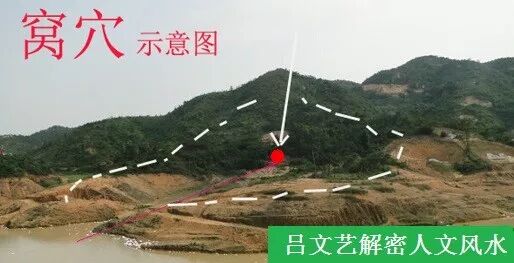
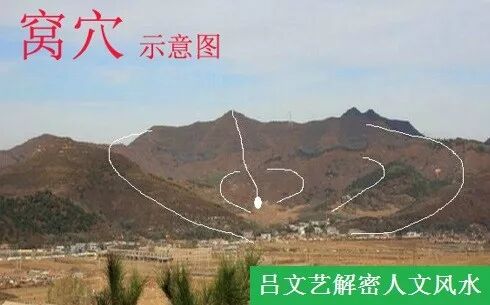
1. The hollow (窩穴). The mark of the hollow is that it is round and empty. When the feet of the dragon sand and the tiger sand curl inward to embrace, the arena so formed is a hollow.
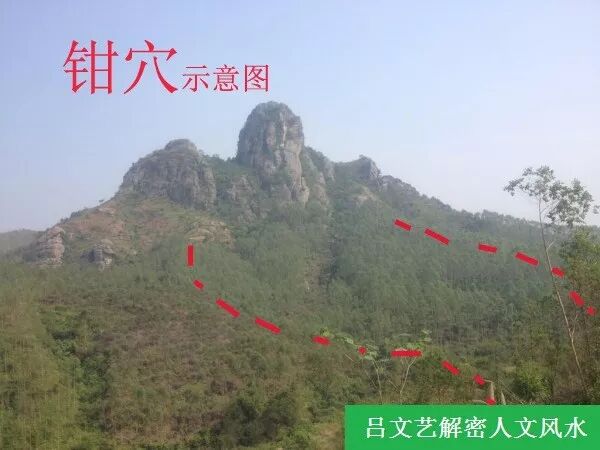
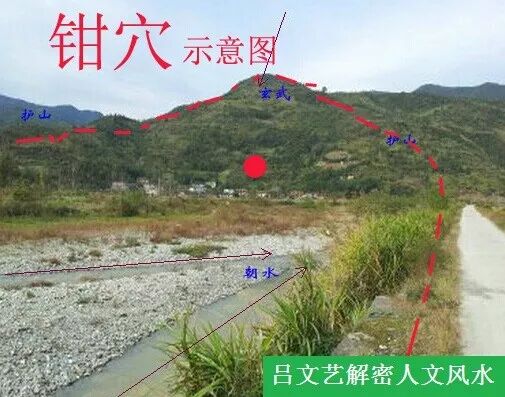
2. The pincer (鉗穴). The mark of the pincer is that it is long and empty. When the feet of the dragon sand and the tiger sand extend outward without embracing, the arena so formed is a pincer.
3. The breast (乳穴). The mark of the breast is that it is long and round — like a long loaf laid on the slope.
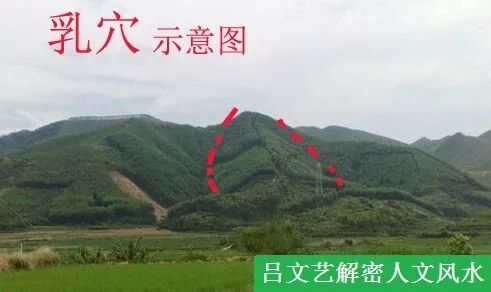
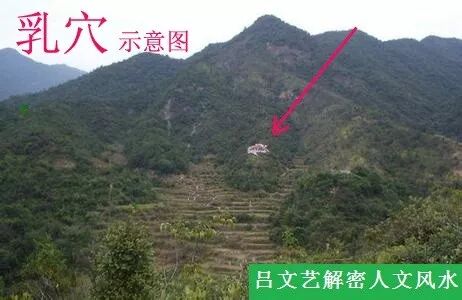
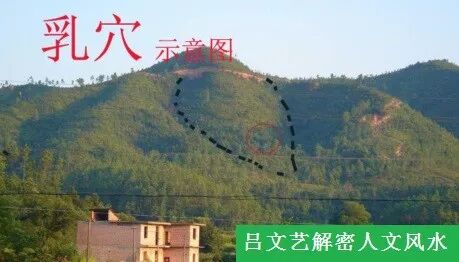
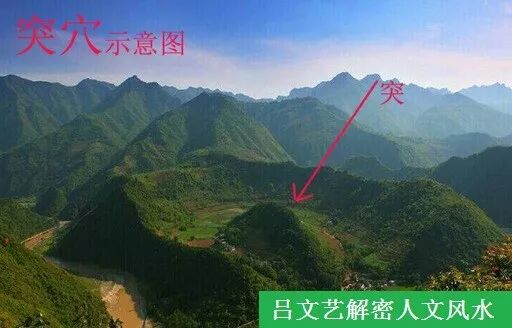
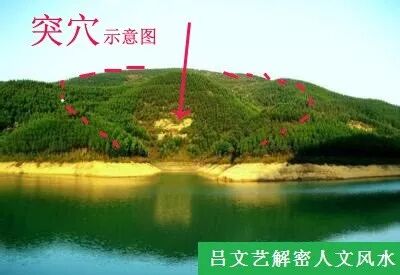
4. The mound (突穴). The mark of the mound is a hemispherical shape — like half a ball set down on the hillside.
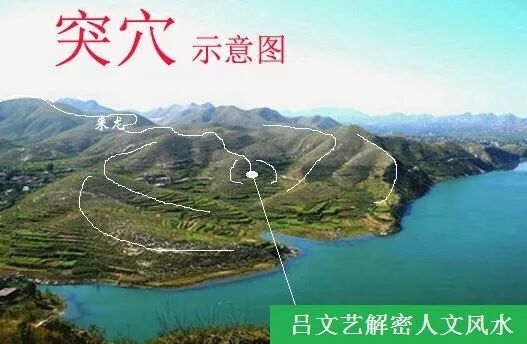
Source:WeChat public account “Shikongren Coordinates” (时空坐标) · by Lü Wenyi
Chinese original:传统风水学之“窝钳乳突”四大穴法实地图片详解
Notice:This is a study archive. Copyright remains with the author. Nothing here constitutes advice.